

Hey there! As a supplier of Rotary Drilling Rigs, I've been getting a lot of questions about the different components of these machines. One part that often gets overlooked but is super important is the water tank. So, let's dive into what the role of the water tank in a Rotary Drilling Rig is.
Cooling the Drill Bit
First off, the water tank plays a crucial role in cooling the drill bit. When a Rotary Drilling Rig is in action, the drill bit rotates at high speeds and comes into contact with hard rock or soil. This generates a ton of heat. If the drill bit gets too hot, it can wear out quickly, lose its sharpness, and even break. That's where the water from the tank comes in.
The water is pumped from the tank to the drill bit. As it flows over the bit, it absorbs the heat and carries it away. This keeps the temperature of the drill bit within a safe range, ensuring that it can keep drilling efficiently for longer periods. Without proper cooling, you'd have to replace drill bits more frequently, which can be a real pain in the neck and cost you a lot of money.
For example, our 35m Intelligent Rotary DTH Drilling Rig is designed with a well - sized water tank to provide continuous cooling to the drill bit. This allows it to handle tough drilling jobs in various geological conditions without overheating issues.
Lubrication
Another key role of the water tank is lubrication. The water acts as a lubricant between the drill bit and the material being drilled. When the drill bit rotates, there's a lot of friction between it and the rock or soil. This friction can not only slow down the drilling process but also cause excessive wear on the drill bit.
By providing a thin layer of water between the two surfaces, the friction is significantly reduced. The drill bit can move more smoothly through the material, making the drilling process faster and more efficient. It's like greasing the wheels of a machine; it just makes everything run better.
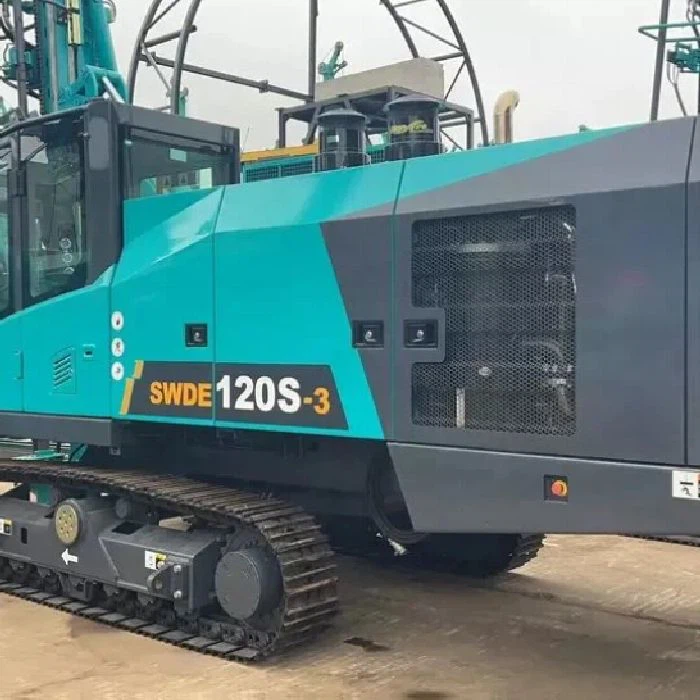
Our Rotary Drilling Crawler Surface Rig benefits greatly from this lubrication function. The water from the tank helps the drill bit glide through different types of surfaces, whether it's soft soil or hard rock, with ease.

Removing Cuttings
During the drilling process, a lot of cuttings are produced. These are the small pieces of rock or soil that are broken off by the drill bit. If these cuttings are not removed, they can accumulate around the drill bit, clogging it up and preventing it from working properly.
The water from the tank is used to flush out these cuttings. As the water is pumped down to the drill bit, it carries the cuttings back up to the surface. This keeps the drilling area clean and clear, allowing the drill bit to continue its work without any obstructions.
Think of it like a vacuum cleaner. The water sucks up the cuttings and takes them away, leaving the drill bit free to do its job. Our Conventional Rotary Drilling Rig uses this water - flushing system to ensure smooth and efficient drilling operations.
Maintaining Hole Stability
In some cases, the water from the tank can also help maintain the stability of the drilled hole. When you drill a hole in the ground, the surrounding soil or rock can sometimes collapse into the hole, especially in soft or loose formations.
The water can be used to create a mud - like mixture by adding certain additives. This mud is then pumped into the hole. The mud forms a thin layer on the walls of the hole, providing support and preventing the surrounding material from collapsing. This is especially important in deep - hole drilling operations where hole stability is crucial.
Sizing and Capacity of the Water Tank
The size and capacity of the water tank in a Rotary Drilling Rig are important factors. A larger water tank means that the rig can operate for longer periods without the need to refill the water. This is especially useful in remote areas where access to water sources may be limited.
However, a larger tank also adds weight to the rig, which can affect its mobility and fuel efficiency. So, it's a bit of a balancing act. At our company, we design our Rotary Drilling Rigs with water tanks that are sized appropriately for the specific model and its intended use.
For instance, if a rig is designed for short - term, on - site drilling jobs where water is readily available, a smaller tank may be sufficient. On the other hand, for long - term, off - grid drilling projects, we'll equip the rig with a larger water tank to ensure continuous operation.
Maintenance of the Water Tank
Just like any other part of the Rotary Drilling Rig, the water tank needs proper maintenance. Over time, sediment and debris can accumulate in the tank. This can clog the water pumps and pipes, reducing the efficiency of the cooling, lubrication, and cutting - removal systems.
It's important to regularly clean the water tank. You can do this by draining the tank and flushing it out with clean water. You should also check the tank for any signs of damage, such as leaks or cracks. If you notice any issues, it's best to get them fixed right away to avoid more serious problems down the line.
Conclusion
In conclusion, the water tank in a Rotary Drilling Rig is a vital component. It plays multiple roles, including cooling the drill bit, lubricating the drilling process, removing cuttings, and maintaining hole stability. Without a properly functioning water tank, the performance of the rig would be severely affected.
If you're in the market for a Rotary Drilling Rig, it's important to consider the role of the water tank and how it fits into your specific drilling needs. Whether you're looking for a 35m Intelligent Rotary DTH Drilling Rig, a Rotary Drilling Crawler Surface Rig, or a Conventional Rotary Drilling Rig, we've got you covered.
If you have any questions or are interested in purchasing a Rotary Drilling Rig, don't hesitate to reach out. We're here to help you find the perfect rig for your project.
References
- Industry standards for Rotary Drilling Rig components
- Technical manuals of various Rotary Drilling Rig models
- Field experience and case studies from drilling operations