

Hey there! As a supplier of Rotary Drilling Rigs, I'm super stoked to share with you how to operate the control system of these bad - ass machines. Rotary drilling rigs are essential in the construction and mining industries, and knowing how to operate their control systems can make your work a whole lot easier and more efficient.
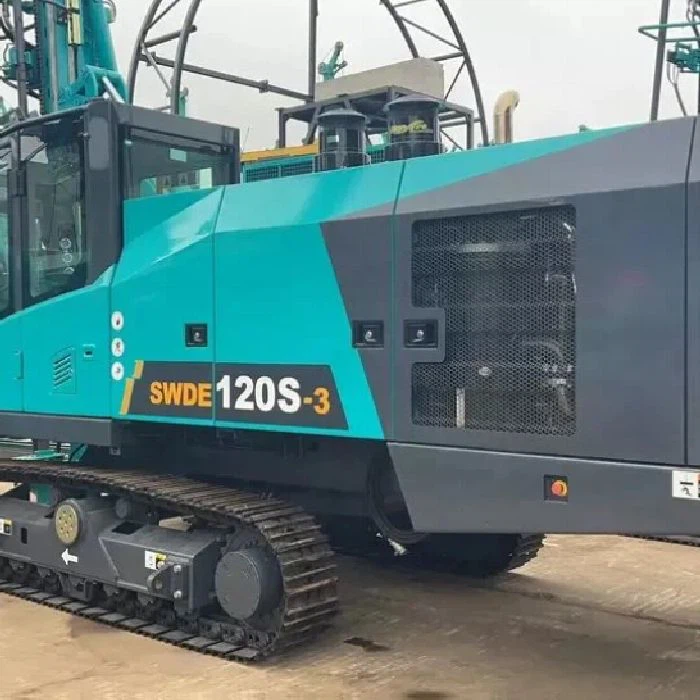
First off, let's talk about the different types of rotary drilling rigs we offer. We've got the Conventional Rotary Drilling Rig, which is a classic and reliable option for various drilling projects. Then there's the 35m Intelligent Rotary DTH Drilling Rig, packed with smart features to enhance performance. And of course, the Hydraulic Rotary Drilling Rig, known for its powerful hydraulic system.
Pre - operation Checks
Before you even think about firing up the rig, you gotta do some pre - operation checks. Start by inspecting the rig's physical condition. Look for any visible damage to the drill pipes, the mast, and the chassis. Check the hydraulic hoses for leaks. Leaky hoses can lead to a loss of pressure and affect the rig's performance.
Next, check the fluid levels. You need to make sure there's enough hydraulic fluid, engine oil, and coolant. Low fluid levels can cause overheating and mechanical failures. Also, check the fuel level. Running out of fuel in the middle of a job is a major headache.
Inspect the control panel. Make sure all the switches, buttons, and gauges are in good working condition. If you notice any malfunctioning parts, get them fixed before you start drilling.

Starting the Rig
Once you've completed the pre - operation checks, it's time to start the rig. First, turn on the ignition switch. This powers up the control system and the engine. Wait for the engine to warm up for a few minutes. This allows the oil to circulate properly and lubricate all the moving parts.
After the engine has warmed up, you can start engaging the hydraulic system. There's usually a main hydraulic switch on the control panel. Flip it to the "on" position. You'll hear the hydraulic pump start working. Now, you can start operating the different functions of the rig.
Operating the Drill
The most important part of operating a rotary drilling rig is, of course, operating the drill. On the control panel, you'll find controls for the drill rotation and the feed. The drill rotation control allows you to adjust the speed at which the drill bit rotates. Different types of soil and rock require different rotation speeds. For softer soils, you can use a higher rotation speed, while for harder rocks, a lower speed might be more appropriate.
The feed control is used to control the downward force applied to the drill bit. You want to apply just the right amount of force. Too much force can cause the drill bit to wear out quickly or even break, while too little force won't allow the drill to penetrate the ground effectively.
Controlling the Mast
The mast is another crucial part of the rotary drilling rig. It supports the drill pipes and allows them to move up and down. On the control panel, there are controls for raising and lowering the mast. When you're setting up the rig, you'll need to raise the mast to the vertical position. Make sure the mast is properly aligned before you start drilling.
You can also use the mast controls to adjust the angle of the drill if you need to drill at an angle. This is useful for some specialized drilling projects, like drilling for foundations at an incline.
Monitoring the Drilling Process
While the rig is drilling, you need to constantly monitor the process. Keep an eye on the gauges on the control panel. The pressure gauge will tell you the hydraulic pressure, and the torque gauge will show you the amount of torque being applied to the drill bit. If the pressure or torque goes outside the normal range, it could indicate a problem.
You should also listen to the sound of the rig. Any unusual noises, like grinding or rattling, could mean there's something wrong with the drill bit, the engine, or the hydraulic system. If you notice any problems, stop the drilling immediately and investigate.
Stopping the Rig
When you've finished drilling, it's time to stop the rig. First, disengage the drill rotation and the feed controls. Then, lower the drill pipes back into the storage position. Next, turn off the hydraulic system by flipping the main hydraulic switch to the "off" position.
Finally, turn off the ignition switch. This shuts down the engine and the control system. After the rig has stopped, you should do a post - operation check. Inspect the drill bit for wear and tear, and check the rig for any signs of damage that might have occurred during the drilling process.
Troubleshooting
Even with proper operation, you might encounter some problems with the control system of the rotary drilling rig. One common problem is a loss of hydraulic pressure. This could be due to a leak in the hydraulic hoses or a malfunctioning hydraulic pump. If you notice a loss of pressure, check the hoses for leaks first. If you can't find a leak, it might be a problem with the pump.
Another problem could be a malfunctioning switch or button on the control panel. If a particular function isn't working, try checking the corresponding switch or button. Sometimes, it might just be a loose connection. If you can't fix the problem yourself, it's best to call in a professional technician.
Safety Precautions
Operating a rotary drilling rig can be dangerous, so safety should always be your top priority. Always wear the appropriate safety gear, including a hard hat, safety glasses, and steel - toed boots. Make sure there are no unauthorized personnel near the rig while it's in operation.
Follow all the safety instructions provided in the rig's manual. Don't take shortcuts or try to operate the rig in a way that goes against the manufacturer's recommendations. If you're not sure how to do something, ask for help.
Maintenance
Regular maintenance is key to keeping the control system of your rotary drilling rig in good working condition. Follow the maintenance schedule provided by the manufacturer. This includes changing the oil, replacing the filters, and lubricating the moving parts.
Keep the control panel clean. Dust and dirt can accumulate on the switches and gauges, which can affect their performance. Use a clean, dry cloth to wipe down the control panel regularly.
Why Choose Our Rotary Drilling Rigs?
Our rotary drilling rigs are built with high - quality materials and advanced technology. They're designed to be reliable, efficient, and easy to operate. The control systems are user - friendly, with intuitive controls that even beginners can quickly get the hang of.
We also offer excellent after - sales service. Our team of technicians is always ready to help you with any problems you might encounter. Whether it's troubleshooting, maintenance, or replacement parts, we've got you covered.
Contact Us for Purchase
If you're in the market for a rotary drilling rig, we'd love to hear from you. Our rigs are suitable for a wide range of applications, from small - scale construction projects to large - scale mining operations. We can provide you with detailed information about our products and help you choose the right rig for your needs.
Don't hesitate to reach out to us for a quote. We're committed to providing you with the best value for your money. Let's start a conversation and see how we can help you take your drilling projects to the next level.
References
- Manufacturer's Manuals for Rotary Drilling Rigs
- Industry Standards for Drilling Equipment Operation
- Technical Papers on Rotary Drilling Rig Technology