

Hey there! As a supplier of water well drilling rigs, I've seen all sorts of rigs in action. One question that often comes up is how a hydraulic water well drilling rig differs from others. So, let's dive right in and break it down.
The Basics of Drilling Rigs
Before we get into the differences, let's quickly talk about what a water well drilling rig is. In simple terms, it's a machine used to drill holes in the ground to access water sources. There are different types of drilling rigs out there, each with its own set of features and capabilities.
Hydraulic Water Well Drilling Rigs: How They Work
Hydraulic water well drilling rigs use hydraulic power to operate. Hydraulics is all about using fluid pressure to generate force and motion. In these rigs, hydraulic pumps create pressure, which is then used to drive various components like the drill bit, the hoist, and the rotation system.
One of the key advantages of hydraulic systems is their ability to provide a lot of power in a relatively compact package. This means that hydraulic water well drilling rigs can be more powerful and efficient compared to some other types of rigs. For example, they can apply a consistent and adjustable amount of force to the drill bit, which helps in drilling through different types of soil and rock more effectively.

Differences from Mechanical Drilling Rigs
Let's start by comparing hydraulic water well drilling rigs with mechanical drilling rigs. Mechanical rigs rely on gears, belts, and chains to transfer power from the engine to the drilling components. While these systems have been around for a long time and are tried and true, they do have some limitations.
For one, mechanical systems can be more complex and require more maintenance. The gears and chains need to be regularly lubricated and adjusted, and over time, they can wear out and need to be replaced. In contrast, hydraulic systems have fewer moving parts, which means less maintenance and a lower risk of breakdowns.
Another difference is in the level of control. With a hydraulic rig, the operator can easily adjust the pressure and flow of the hydraulic fluid, which allows for more precise control over the drilling process. For example, you can quickly change the speed and torque of the drill bit depending on the conditions underground. In a mechanical rig, making these adjustments can be more difficult and time - consuming.
Differences from Pneumatic Drilling Rigs
Pneumatic drilling rigs use compressed air to power the drill bit. They are often used in situations where water is scarce or where the ground conditions are dry and sandy. While pneumatic rigs have their own advantages, such as being relatively lightweight and easy to transport, they also have some drawbacks when compared to hydraulic rigs.
One of the main limitations of pneumatic rigs is their power. Compressed air can only provide a limited amount of force, which means that they may not be as effective when drilling through hard rock or at greater depths. Hydraulic rigs, on the other hand, can generate much more power, making them suitable for a wider range of drilling applications.
Pneumatic rigs also require a source of compressed air, which usually means having an air compressor on - site. This can add to the complexity and cost of the drilling operation. Hydraulic rigs, in contrast, only need a hydraulic fluid reservoir and a pump, which are often more integrated into the rig design.
Our Range of Hydraulic Water Well Drilling Rigs
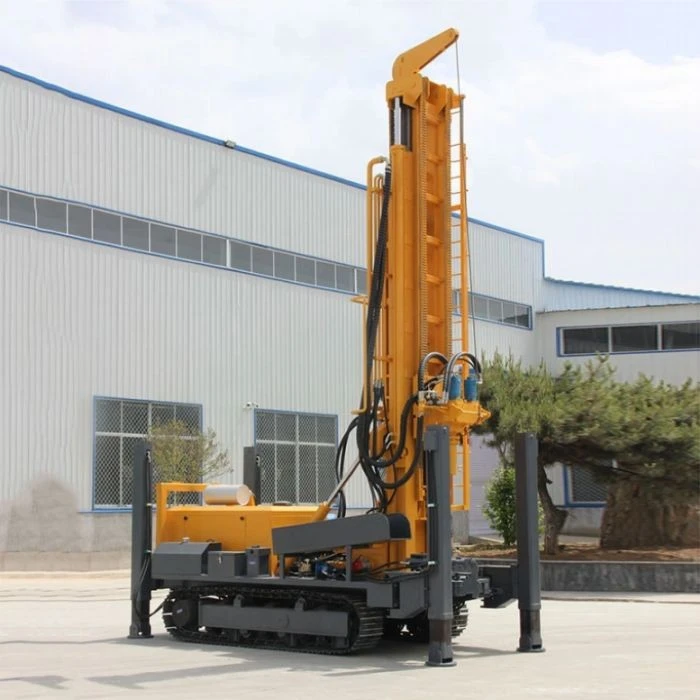
At our company, we offer a variety of hydraulic water well drilling rigs to meet different customer needs. For example, we have the 580m Depth Crawler Water Well Drilling Rig. This rig is designed for deep - well drilling and is equipped with a powerful hydraulic system that can handle tough drilling conditions. It has a crawler chassis, which provides good stability and mobility on different terrains.
If you're looking for something more suitable for shallower wells, we also have the Water Well Rig For Drilling 180m. This rig is more compact and easier to operate, making it a great choice for smaller - scale projects or in areas with limited space.
And then there's the 300m Depth Crawler Water Well Driling Rig. This rig strikes a balance between depth capacity and portability. It's suitable for a wide range of applications, from agricultural water wells to small - scale municipal projects.
Why Choose Our Hydraulic Water Well Drilling Rigs
When you choose our hydraulic water well drilling rigs, you're getting a high - quality product that offers a number of benefits. First of all, our rigs are built with the latest technology and high - quality components. This ensures reliability and long - term performance.
We also provide excellent customer support. Our team of experts is always on hand to answer your questions, provide technical advice, and help with any maintenance or repair issues. Whether you're a seasoned drilling professional or just starting out, we're here to make sure you get the most out of your drilling rig.
Contact Us for More Information
If you're in the market for a water well drilling rig, we'd love to hear from you. Our hydraulic water well drilling rigs offer a combination of power, efficiency, and reliability that's hard to beat. Whether you're drilling a small well for your farm or a large - scale municipal project, we have a rig that's right for you.
Don't hesitate to reach out to us to discuss your specific needs and get a quote. We're committed to providing you with the best possible solution for your water well drilling requirements.
References
- Smith, J. (2020). Drilling Rig Technology: A Comprehensive Guide. Drilling Press.
- Johnson, A. (2019). Hydraulic Systems in Industrial Equipment. Industrial Tech Publishers.